Electronic data and driver logs
Commercial trucks can generate critical data about speed, braking, and driving time. When available, these records can clarify whether fatigue, speeding, or late braking played a role.
Injured in an Accident? Speak With a Lawyer Now
Available 24/7
Truck accident representation · Atlanta, Georgia
When a semi or tractor-trailer wreck upends your life, you need a legal team that can move fast to preserve evidence, identify every responsible party, and pursue full compensation for your injuries and losses.
Commercial crash claims
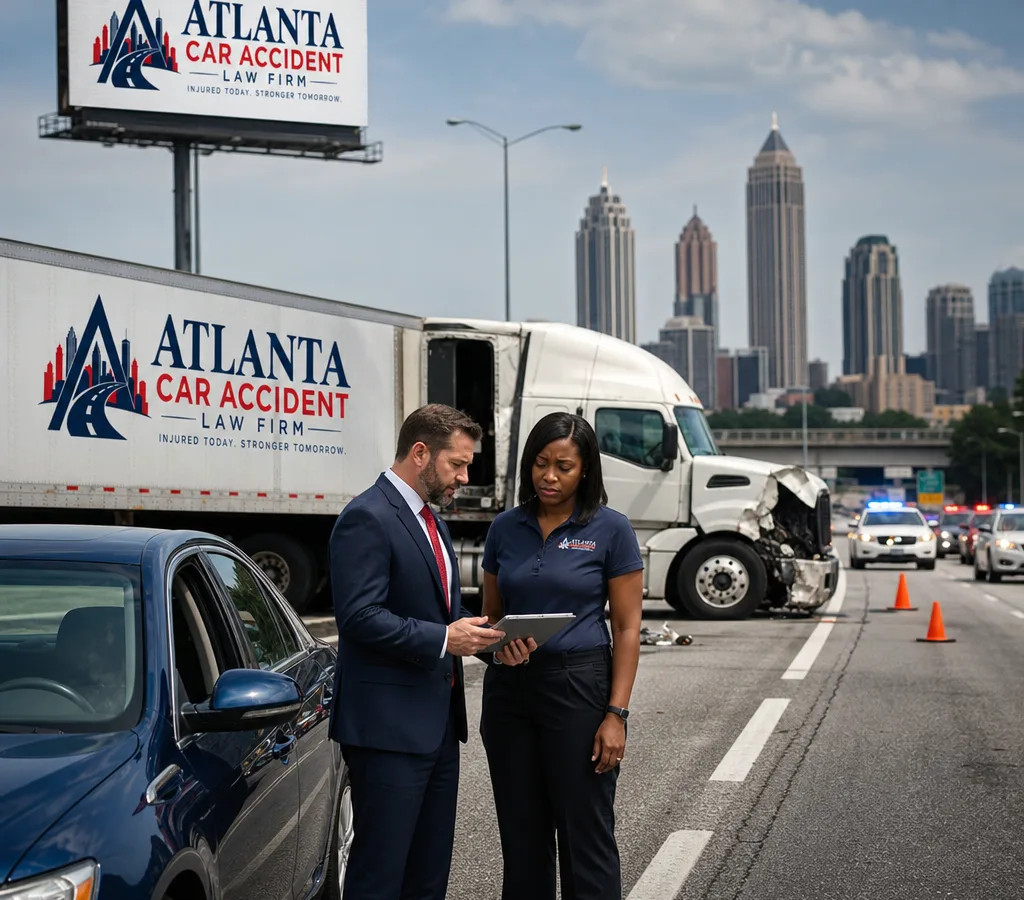
Truck crashes are not handled like typical car wreck claims. When a commercial truck is involved, key evidence can disappear quickly, the insurer response is faster and more aggressive, and liability can involve multiple companies.
Atlanta truck accident lawyers focus on building a case that holds up under pressure. That usually means sending preservation letters early, requesting driver logs and electronic data, reviewing safety and maintenance documentation, and digging into the trucking operation behind the driver. It also means working with medical records and life-impact evidence so the claim reflects the true cost of the injuries, not the insurer's first offer.
If your crash happened on I-285, I-75, I-85, I-20, or the Downtown Connector, you already know how quickly conditions can change in heavy metro traffic. Large trucks need much more distance to stop, and when something goes wrong, the harm is often severe. A focused investigation matters because even one missing document can change how fault is argued and how damages are valued.
Looking beyond the driver
A strong claim starts with identifying every potentially responsible party, then tying each one to specific evidence. An experienced Atlanta tractor-trailer accident lawyer will often look beyond the driver to the business decisions that contributed to the crash.
Common responsible parties in semi and tractor-trailer claims include:
Truck cases also involve layers of insurance, and the available coverage may depend on which entities were involved and how the trip was arranged. Getting the structure right early can prevent avoidable delays later.
Many wrecks occur around major merges and interchanges. Buckhead and Midtown see dense traffic and frequent lane changes; near Perimeter Center and the I-285 corridor, speed differences can be brutal when a tractor-trailer enters congestion. Location does not prove fault, but it can inform how the collision unfolded and what camera, roadway, or witness evidence may exist.
Preserving the record
Commercial trucks can generate critical data about speed, braking, and driving time. When available, these records can clarify whether fatigue, speeding, or late braking played a role.
Brake, tire, and lighting issues are often reflected in service documentation. Missing or inconsistent records can point to negligent maintenance practices.
Video is time-sensitive. Requests should go out quickly because many systems overwrite footage on a short cycle.
Bills of lading, load plans, and weight tickets can matter when shifting cargo, overload, or improper securement is suspected.
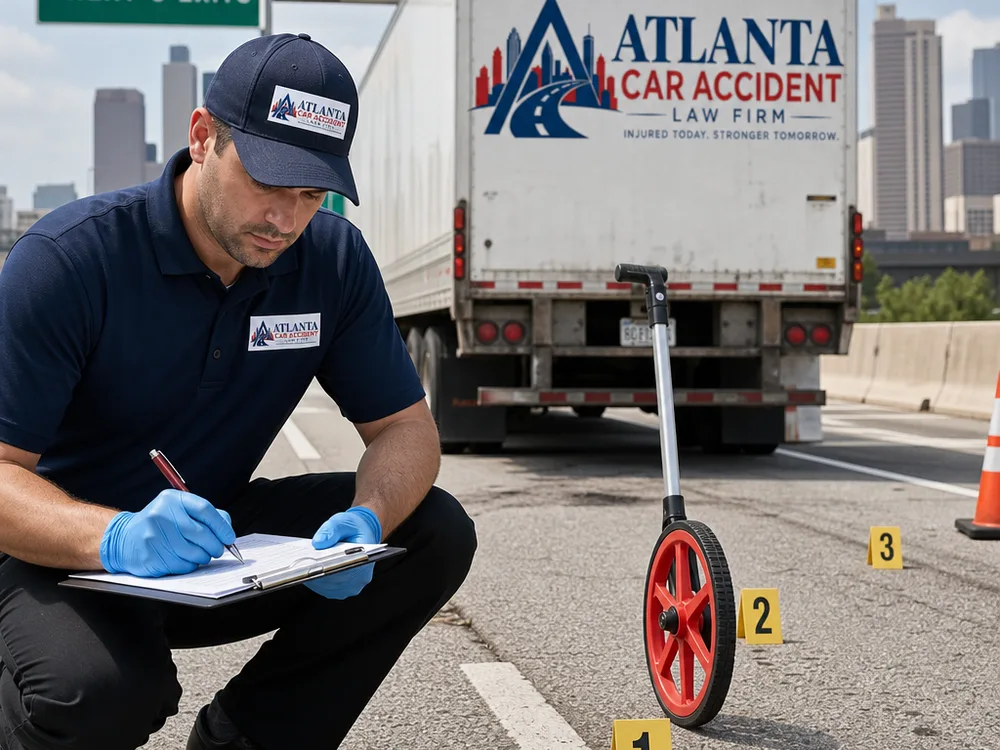
Early interviews help lock in what people saw before stories change. Photos of skid marks, debris fields, and lane positions can also support reconstruction.
Hospital records, treatment notes, and functional limitations evidence connect the collision to the real day-to-day costs of recovery.
Speed, documentation, leverage
At Atlanta Car Accident Law Firm, our approach is built around speed, documentation, and leverage. Trucking insurers often begin evaluating the claim immediately, so we prioritize early investigation and a clear plan for proving liability and damages.
We handle the core work that truck cases demand:
Evidence: Securing and organizing records, including requests for time-sensitive video and carrier documents.
Medical proof: Coordinating documentation that supports the full value of your injuries.
Coverage and liability: Evaluating every insurance layer and every potentially responsible party.
Trial preparation: Preparing the case as if it will be tried, even while pursuing settlement.
If your collision also involved passenger vehicle issues, our broader practice as car accident lawyers in Atlanta can help keep the case coordinated while the truck-side investigation moves forward.
We regularly help clients across the metro area, including those managing recovery in high-traffic areas. In Downtown and along the Downtown Connector, even short trips can be slow and stressful after an injury. Part of our job is to take the claim work off your plate so you can focus on treatment and family.
From review to resolution
We learn how the crash happened, identify the likely trucking entities involved, and outline what evidence should be preserved right away.
We request records and video, review the crash report, and begin building the liability narrative with supporting documentation.
We gather treatment records and connect them to the impact on work, daily activities, and future care needs when applicable.
We present a documented demand and negotiate. If the insurer disputes fault or undervalues injuries, we prepare to litigate and pursue discovery.
If you are dealing with serious injuries after a tractor-trailer crash, getting counsel involved early can help preserve evidence and prevent insurance tactics from shaping the record before your side is documented.
Call for a Free Case Review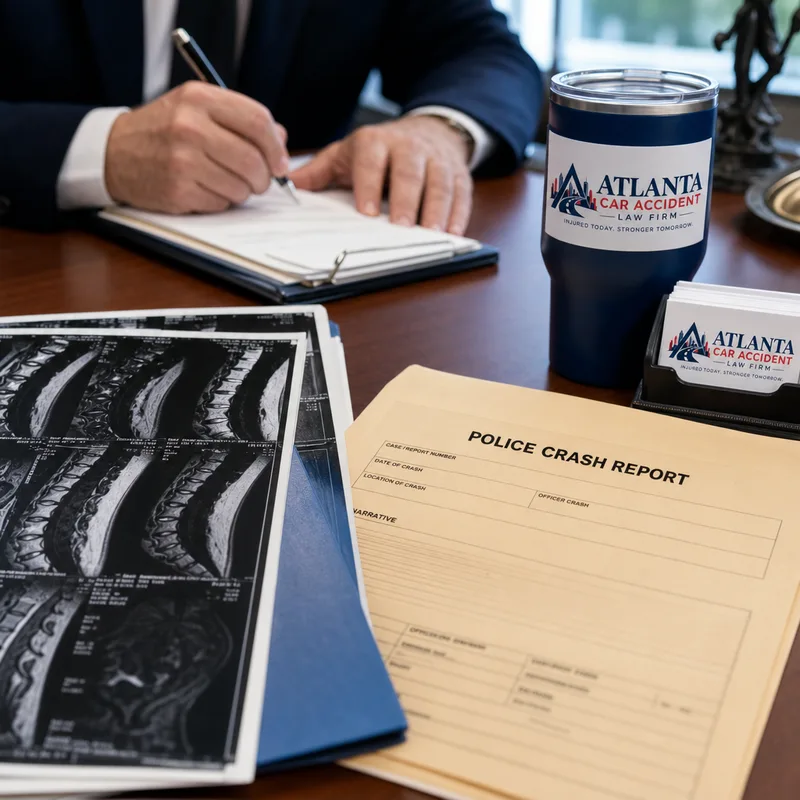
Documenting the full impact
Because of size and weight differences, tractor-trailer collisions frequently cause injuries that take longer to diagnose and treat. Even if you walked away from the scene, symptoms can appear later.
Truck accident claims often include:
The right evaluation comes from matching the medical record to what you are actually experiencing. A good Atlanta tractor trailer accident lawyer will pressure-test the insurer's arguments, especially those that minimize injuries based on gaps in treatment or early chart notes.
Crashes near Atlanta's freight corridors may have more potential video sources than rural locations, but those sources can still be overwritten quickly. Acting early helps.
Answers before you act
As soon as you are medically stable, because trucking evidence like video and operational records can be time-sensitive. Early involvement helps send preservation requests, identify the right carriers and insurers, and prevent the claim from being shaped by an adjuster's narrative before key facts are secured.
Truck claims often involve multiple responsible parties, multiple insurance layers, and specialized records such as driver logs and maintenance documents. They also tend to trigger a faster insurer response, so the investigation and documentation need to start early and follow a plan built for commercial cases.
Often, yes, because early offers may come before the full medical picture and the full liability picture are clear. A lawyer can evaluate whether the offer accounts for future treatment, time off work, and whether other parties or additional coverage may apply.
Fault is proven with a combination of the crash report, scene evidence, witness statements, video when available, and trucking records that show what the driver and carrier were doing before the collision. In serious cases, accident reconstruction and detailed timeline work help explain speed, stopping distance, lane positioning, and reaction time.
You may still have a viable claim depending on how fault is allocated under Georgia law. A careful investigation matters because trucking cases often include factors like unsafe following distance, fatigue, or improper maintenance that are not obvious in the first telling of events.
Many cases connected to Atlanta are filed in Fulton County State or Superior Court, depending on the claims and damages, and some cases may be filed in federal court when jurisdictional requirements are met. The right venue depends on the defendants, where the crash occurred, and other legal factors that your attorney evaluates early.
Protect the record early
Share what happened, where the crash occurred, and what treatment you have received so far. We will outline a plan to preserve evidence, document damages, and pursue the compensation your claim supports.