Liability disputes
When the insurer argues shared fault, we focus on the facts: scene documentation, vehicle damage, witness accounts, and the timeline leading up to impact.
Injured in an Accident? Speak With a Lawyer Now
Available 24/7
Car accident representation · Atlanta, Georgia
If you were hurt in a crash, a clear claim plan matters. We help you document injuries, sort out liability, and pursue fair compensation while you focus on getting better.

A clear plan after a collision
After a collision, insurance companies move fast. You may be dealing with pain, missed work, and a car that is not drivable, while adjusters ask for statements and medical authorizations. Working with a car accident attorney in Atlanta GA gives you a point person for the claim so the facts, the paperwork, and the deadlines do not drift.
At Atlanta Car Accident Law Firm, we focus on auto injury claims: investigating what happened, gathering the records that prove damages, and pressing insurers to value your case based on evidence instead of quick settlement pressure. That includes organizing medical documentation, wages and time missed, vehicle damage information, and the full timeline of symptoms and treatment.
A strong claim usually comes down to three things:
If you are deciding whether to hire an attorney, start with this: the earlier your case is organized, the easier it is to preserve evidence and avoid unforced mistakes in the first days after the crash.
Preserving local crash evidence
Atlanta crash claims often turn on evidence that disappears quickly: vehicle positions, skid marks, traffic signal timing, nearby cameras, and witness contact details. We help you capture and preserve what matters, then translate it into a claim package insurers understand.
Practical examples that come up in the city:
If your crash involved a rideshare, a company vehicle, or multiple cars, the claim can include layered insurance policies and competing stories. An Atlanta car accident attorney can coordinate the investigation, request records, and keep the case moving so you are not stuck doing legal work while trying to recover.
Resolving claim obstacles
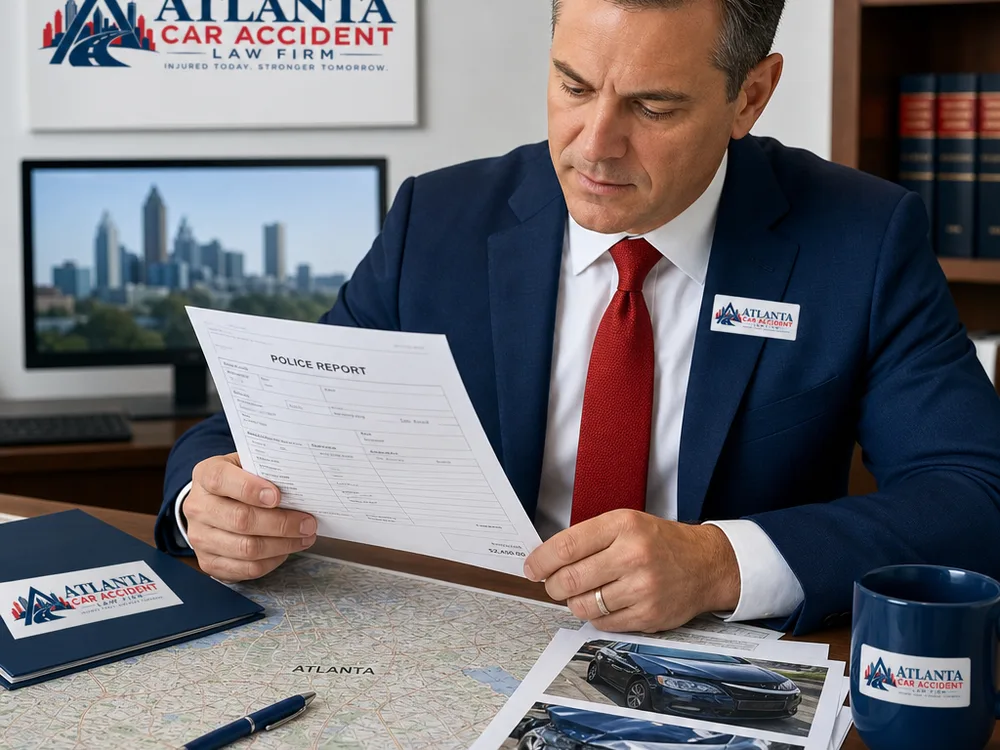
When the insurer argues shared fault, we focus on the facts: scene documentation, vehicle damage, witness accounts, and the timeline leading up to impact.
Soft-tissue injuries, headaches, and back pain often evolve. We help connect the medical record to the crash and document the full course of care.
We pressure-test the offer against medical costs, future treatment considerations, wage loss, and the impact on daily life, then negotiate from a documented position.
Missed appointments and incomplete notes can get used against you. We help you understand what documents are needed and how to avoid common claim pitfalls.
Crashes involving rideshares, delivery drivers, or employers can involve several policies. We identify the applicable coverage and pursue the right sources.
While injuries drive the case value, vehicle damage and rental issues can create pressure to settle. We help you separate the issues and protect the injury claim.
We learn how the crash happened, what treatment has started, and what communications you have had with insurers. We then outline a claim plan and what not to do while the case is pending.
We gather the core records: crash documentation, photos, witness details, medical records and bills, wage and employment verification, and any available video sources.
Once your injuries and treatment picture are clear enough to value, we prepare a demand supported by records and negotiate directly with the insurance carrier.
If the insurer refuses to value the claim appropriately, we discuss filing suit and the timeline that follows, including discovery and settlement conferences.
At settlement or verdict, we confirm the final paperwork, address any outstanding balances that must be handled from the recovery, and close the case with a written accounting.
Documenting the full loss
Every case is different, but most injury claims are built around a few categories of damages. The important part is tying each category to documents and real-world impact.
Medical costs often include emergency care, follow-up visits, imaging, physical therapy, prescriptions, and any recommended future treatment. Lost income can include time missed from work and, in some cases, reduced earning capacity if the injury changes what you can do.
Pain and suffering is not a receipt-based number, so it relies on medical records, your treatment course, and how the injury changed your daily life. When you speak with an adjuster early, it is easy to downplay symptoms. That can become a problem later if the claim file reads like you were fine.
Wrongful death claims can arise when a crash leads to loss of life, and they involve different categories and legal considerations. If that is your situation, an attorney should explain who can bring the claim and what documentation is needed.
If you are still deciding who to work with, review the factors most people use when choosing car accident lawyers in Atlanta GA for a serious injury claim: responsiveness, a clear plan for evidence, and the willingness to push back when an insurer stalls.
Discuss Your Case With UsIf you were hurt in a crash in Atlanta, get a clear next-step plan for your injury claim: what evidence to gather, what deadlines matter, and how to protect the value of your case before you sign anything.
Call for a Free Case ReviewClear answers before you act
You should talk with an attorney as soon as you can safely do so after the crash, especially before giving a recorded statement or signing broad medical authorizations. Early involvement helps preserve evidence like photos, witness contact details, and any nearby video that may be overwritten.
You can still have a viable claim when fault is disputed, but the outcome depends on the facts and how they are documented. We focus on objective proof such as vehicle damage patterns, intersection layout, witness statements, and the consistency of the timeline, then address fault arguments directly in negotiations.
If you are hurt or symptoms develop, medical evaluation is the cleanest way to document the injury and connect it to the crash. Waiting too long can create gaps insurers use to argue the injury came from something else, so it is smart to get care and keep follow-up appointments.
Delayed symptoms are common after collisions, especially for neck and back injuries. The key is to document when symptoms began, follow medical advice, and keep a consistent record so the insurer cannot paint the condition as unrelated.
Yes. Property damage and injury are often treated as separate parts of the overall situation, and settling vehicle damage does not automatically settle the injury claim. The risk is signing a release or accepting language that closes more than you intended, so it is worth reviewing documents before you agree to anything.
Keep crash photos, the other driver's information, witness contact details, medical discharge paperwork, bills, receipts for out-of-pocket medical items, and proof of missed work such as pay stubs and employer notes. Also keep a simple symptom and appointment log; that day-to-day record often helps explain the real impact of the injury.
A straightforward claim may resolve in months, while claims involving serious injuries, extended treatment, or contested liability can take longer and may require litigation. The timeline depends most on medical treatment duration, the clarity of fault, and how the insurer responds once the claim demand is supported by records.
You share the basics of the crash, your injuries and treatment, and any insurance communications you have received, and we explain the likely paths forward. You should expect clear guidance on immediate next steps, what evidence to gather, and how the claim would be handled if we take the case.
Start with a clear claim plan
Tell us what happened, what treatment you have started, and what the insurer has asked for. We will help you understand liability, damages, and how to move forward with a claim that is built on evidence.